Safe, Efficient Site Access Starts with the Right Partner
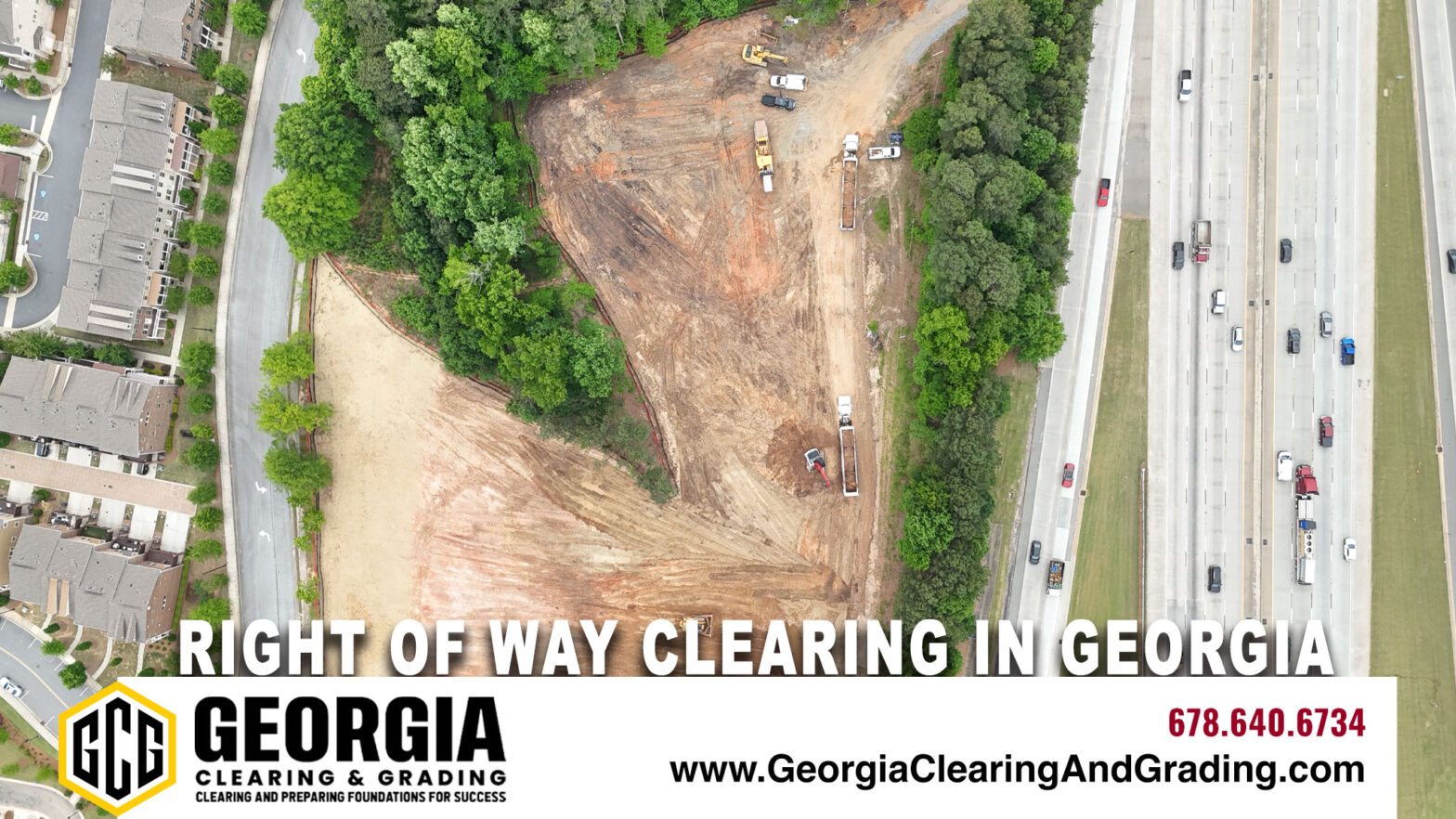
Right of way clearing plays a key role in many land development and infrastructure projects across Georgia. Whether you are building an access road, preparing a utility corridor, opening a drainage easement, or clearing land for a transportation project, the work must be done with care, speed, and a clear understanding of local site conditions.
For property owners, developers, utility contractors, municipalities, and commercial clients, right of way clearing is often one of the first major steps in moving a project forward. When it is handled properly, it helps improve safety, maintain access, support compliance, and keep schedules on track.
Georgia Clearing & Grading provides right of way clearing services built around the needs of Georgia projects, from wooded tracts and overgrown corridors to uneven terrain and hard-to-reach areas.
What Is Right of Way Clearing?
Right of way clearing is the process of removing trees, brush, undergrowth, debris, and other obstacles from a defined strip of land so that it can be safely accessed, used, or maintained for a specific purpose.
These corridors are often needed for:
- Utility lines
- Pipelines
- Access roads
- Drainage easements
- Road widening
- Transportation improvements
- Commercial site preparation
- Municipal infrastructure projects
In many cases, the work also includes selective clearing, stump removal, grading, erosion control support, and site preparation to make the corridor usable for construction crews, equipment, or long-term maintenance access.
Why Right of Way Clearing Matters in Georgia
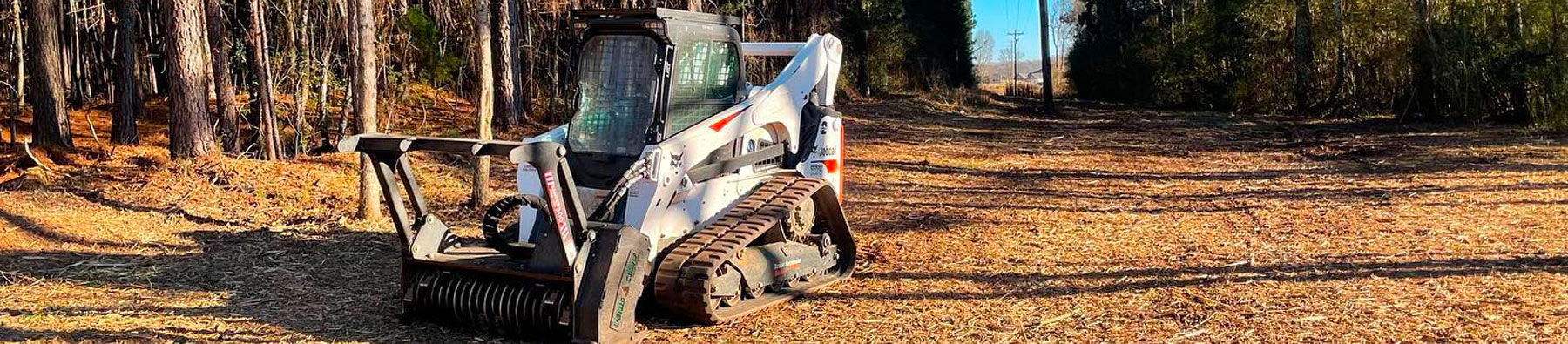
Georgia presents a wide range of clearing conditions. One site may involve dense pine growth and thick underbrush. Another may include hardwoods, soft ground, rolling grades, rocky areas, or drainage challenges. In some parts of the state, vegetation grows quickly and can take over access routes and easements in a short time.
That is why right of way clearing in Georgia requires more than just removing trees. It requires a practical plan for the land, the purpose of the corridor, and the next phase of the project.
Proper clearing helps address several Georgia-specific concerns:
Dense Vegetation and Fast Regrowth – Many Georgia properties deal with heavy brush, vines, saplings, and invasive growth. If these areas are not cleared thoroughly and strategically, access can become limited again very quickly.
Varied Terrain – From flat sites in some parts of South Georgia to rolling ground and more complex elevation changes in other regions, terrain affects how clearing and grading should be approached. Slope, drainage flow, and soil conditions all matter.
Weather and Drainage – Georgia storms and seasonal rainfall can create muddy conditions, erosion concerns, and drainage issues. Right of way clearing often needs to support water movement and site stability, not just visibility and access.
Ongoing Access Needs – Utility companies, municipalities, developers, and commercial property owners often need corridors that remain accessible long after initial clearing is complete. That means the work has to support both immediate construction and future maintenance.
Common Right of Way Clearing Projects
Right of way clearing is used in many types of projects throughout Georgia. Some of the most common include:
Utility Corridors – Power, water, sewer, telecommunications, and fiber optic projects often require long, narrow cleared paths for installation, repair, inspection, and maintenance.
Pipeline Routes – Pipeline work depends on consistent access along the route. Clearing helps crews reach the area safely and gives equipment the space needed to operate.
Access Roads – Construction sites, industrial properties, timber tracts, and large commercial developments often need cleared routes for temporary or permanent access roads.
Drainage Easements – Overgrown drainage areas can block water flow, limit access for maintenance, and create site issues over time. Clearing these easements helps improve function and supports future upkeep.
Transportation and Road Projects – Municipal and commercial transportation work may require clearing for road expansion, roadside improvements, intersections, shoulders, and support infrastructure.
Site Preparation for Development – Before grading, utility installation, or vertical construction can begin, a site may need right of way clearing to open the property and create workable access for crews and equipment.
Key Benefits of Professional Right of Way Clearing
Expert right-of-way clearing clearly benefits both the project and the property.
Improved Safety – Overgrowth, unstable trees, hidden debris, and poor visibility can create serious risks for crews, vehicles, and the public. Clearing removes hazards and helps create a safer work zone.
Better Access – A properly cleared corridor gives contractors, inspectors, utility crews, and maintenance teams the access they need to do their work efficiently. That can be critical for both construction and long-term service.
Support for Compliance – Many projects involve easements, project boundaries, environmental concerns, or local requirements that must be followed carefully. A qualified contractor understands the importance of staying within scope and working to the project plan.
Increased Efficiency – When crews and machines can move freely through a site, work tends to move faster. Clearing and grading done the right way can reduce delays and make the next phase of the project easier to manage.
Easier Maintenance Over Time – For utility corridors, drainage easements, and municipal infrastructure, long-term access matters. Good right of way clearing supports future inspections, repairs, and vegetation management.
What to Look for in a Right of Way Clearing Partner
Right Of Way projects often require a combination of clearing knowledge, grading skill, equipment capability, and jobsite awareness.
When choosing a partner, look for these qualities:
Experience With Corridor and Access Work – Right of way projects are different from general lot clearing. Georgia Clearing & Grading understands how to clear linear paths, manage access points, and prepare the site for the next trade or project phase.
Understanding of Georgia Site Conditions – Local knowledge matters. Georgia’s landscape and weather influence how to approach a job. Georgia Clearing & Grading is familiar with these conditions can plan more effectively and avoid unnecessary setbacks.
Proper Equipment for the Scope – Different sites call for different tools. Dense brush, mature timber, tight access areas, soft ground, and grading needs all require the right equipment and operators.
Focus on Safety and Site Control – A professional team should work with clear boundaries, organized site practices, and attention to surrounding property, structures, and project requirements.
Grading and Site Prep Capability – In many cases, clearing is only part of the job. If the corridor also needs grading, stabilization, or preparation for road building or utility installation, it helps to work with a company that can handle more than one phase.
Why Clients Choose Georgia Clearing & Grading
Georgia Clearing & Grading understands the demands of right of way clearing projects in Georgia. From overgrown easements and utility paths to access roads and commercial site prep. The work requires a practical approach, reliable equipment, and attention to the land itself.
As a local company, Georgia Clearing & Grading brings familiarity with regional vegetation, changing terrain, drainage concerns, and the real-world needs of contractors, developers, municipalities, and property owners. The goal is simple: provide clearing and grading services that help keep projects moving safely and efficiently.
Start Your Right of Way Clearing Project With Confidence
Georgia Clearing & Grading is ready to help. If you need right of way clearing in Georgia for a utility corridor, access road, pipeline route, drainage easement, transportation project, or commercial site.
Reach out today to discuss your project, site conditions, and timeline. A strong project starts with clear access, and the right clearing partner can make all the difference.
We would love to stay connected! Please follow us on your favorite Social Media.
Facebook | Instagram | LinkedIn | Our 5 Star Reviews
