
A successful construction project requires more than just high-quality materials and skilled architects. It demands a stable, well-prepared site and a qualified Commercial Grading Contractor. Whether you are planning a large-scale commercial development or a private residential build, the longevity and safety of the structure depend heavily on the ground beneath it. This is where land grading plays a pivotal role.
Grading is not simply moving dirt around; it is an engineering process designed to reshape the land to meet specific project requirements. It ensures proper drainage, prevents erosion, and creates a solid foundation for everything that follows. Without professional grading, buildings face significant risks, including water damage, foundation shifting, and structural instability.
At Georgia Clearing & Grading, we recognize that a solid foundation begins with precise land preparation. We approach every project with a focus on technical accuracy and efficiency. To help you understand how we prepare a site for construction, we have outlined the ten critical stages of the grading process.
1. Initial Consultation and Site Assessment
Every effective grading project begins with a comprehensive evaluation. The first step involves an initial consultation where our team meets with you to understand the specific goals, timeline, and budget of your project. This alignment is necessary to ensure that our work supports your broader construction objectives.
Following the consultation, we conduct a thorough site assessment. This is both a physical and digital inspection of the property to evaluate the current terrain. We analyze factors such as vegetation density, existing structures that may need demolition, and the natural topography of the land. This assessment allows us to determine the most effective grading approach and identify potential challenges early in the process, ensuring no surprises arise later during excavation.
2. Soil Testing and Analysis
Visual inspection provides only part of the picture. To ensure the land can support the intended structure, we usually recommend soil testing. Understanding the composition of the soil is a technical necessity for any build.
Analyzing soil composition helps us identify its load-bearing capacity and drainage characteristics. Different soil types—such as clay, sand, or silt—react differently to moisture and weight. For instance, expansive soils can swell when wet and shrink when dry, posing a threat to foundations. This data is essential to ensure that your project meets safety requirements and functions effectively over time. By understanding the geology of the site, we can plan for necessary soil amendments or structural fill material.
3. Planning and Design
With the site assessment and soil data in hand, our expert team moves to the planning phase. We create a detailed grading plan that serves as the blueprint for all earthmoving activities. This plan outlines the desired elevations, slopes, and drainage solutions necessary for your specific project.
We take into account critical factors such as water runoff to minimize erosion and ensure long-term stability. The goal is to direct water away from the future structure and towards appropriate drainage areas. Once the plan is finalized, we review it with you for approval, ensuring clarity and transparency before any heavy equipment arrives on site.
4. Permitting and Code Compliance
Construction and land modification are governed by strict local regulations. Before any grading work can begin, it is essential to secure the necessary permits. Attempting to grade land without proper authorization can lead to legal issues, fines, and project shutdowns.
Our team at Georgia Clearing & Grading is well-versed in local regulations and zoning laws. We assist you in navigating the bureaucratic process to obtain the required permits. This ensures your project complies with all municipal construction codes and environmental standards, keeping your timeline on track.
5. Clearing the Site
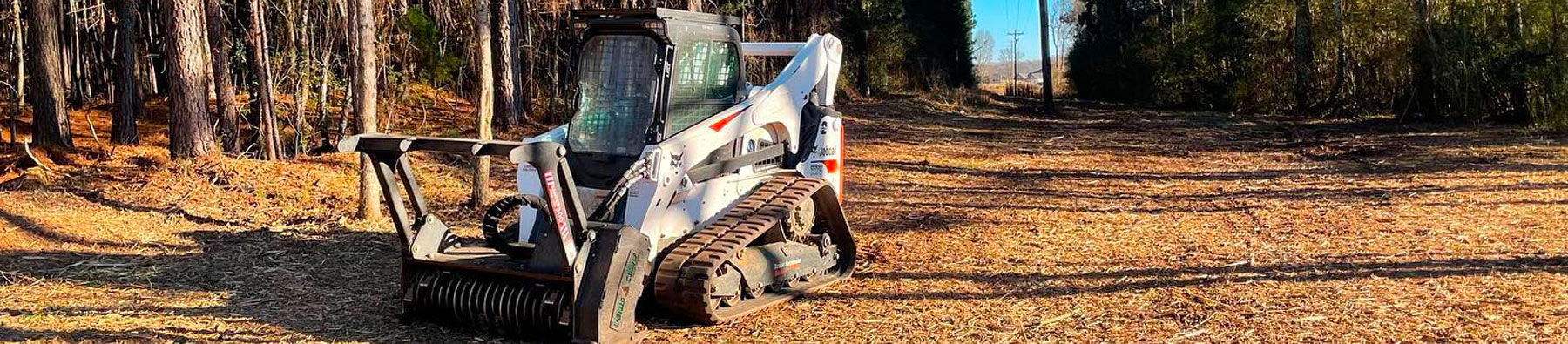
With permits in hand and the design approved, physical work begins with the clearing stage. This involves removing obstacles that would impede the grading process, including vegetation, trees, large rocks, and any debris or trash on the site.
Our experienced crew uses specialized equipment to efficiently clear the land. During this phase, we prioritize safety and efficiency while ensuring minimal environmental impact. We also consider options for recycling materials whenever possible, such as processing trees and brush into mulch, to reduce waste.
6. Grading the Land
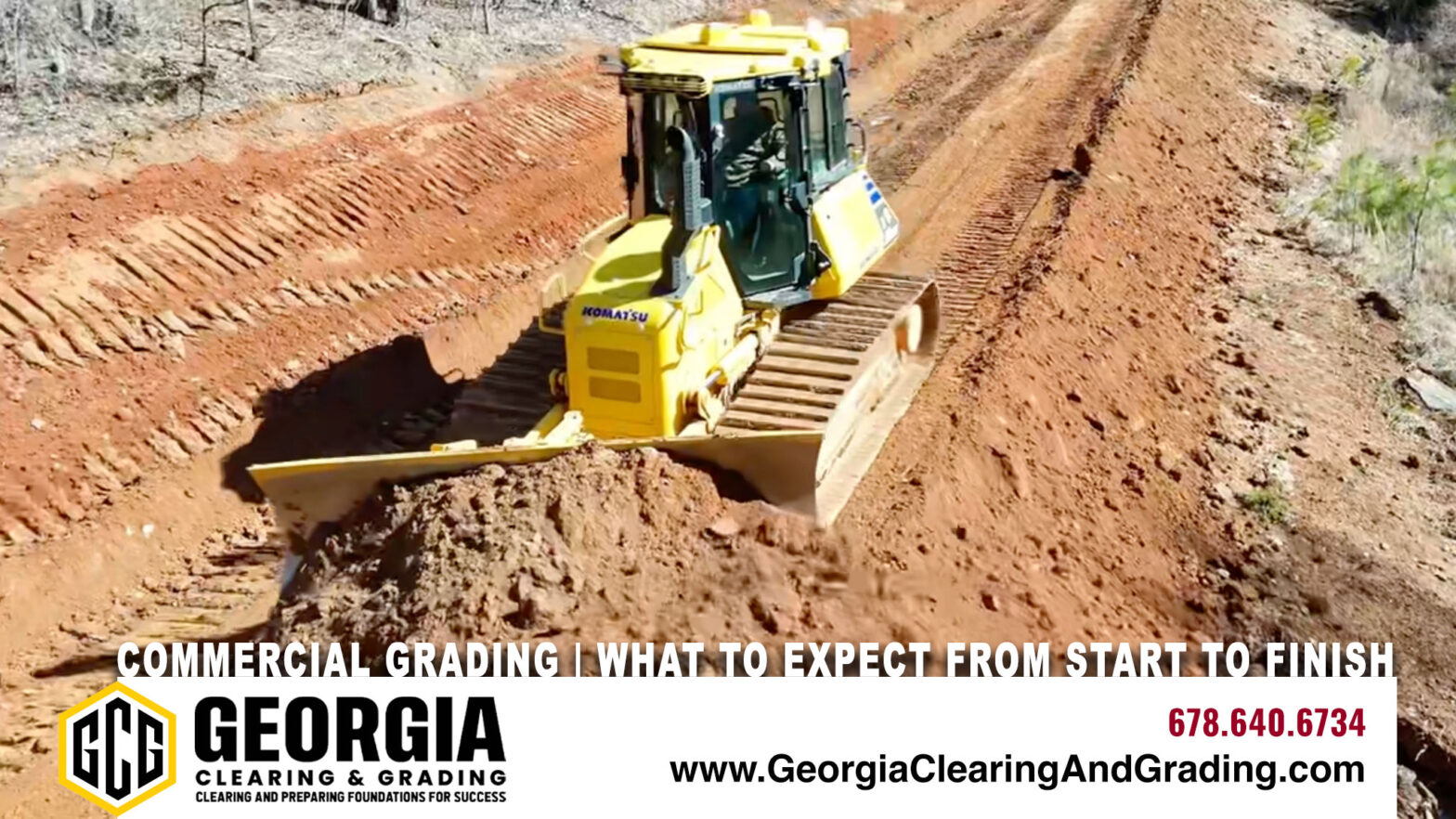
Once the site is cleared, we begin the actual grading process. This is the phase where the topography of the land is physically altered to match the engineering plan. Using heavy machinery such as bulldozers, graders, and excavators, we move soil to create the desired contours and elevations.
This step is vital for ensuring proper drainage and preparing a stable foundation for your construction. We may engage in “cut and fill” operations, where soil is removed from high areas (the cut) and moved to lower areas (the fill) to create a level surface. Precision is key here; even minor deviations from the plan can affect the structural integrity of the build.
7. Compaction and Final Grading
Simply moving soil is not enough to support a building. Loose soil settles over time, which can lead to cracks in foundations and pavement. After grading, it is essential to compact the soil to eliminate air pockets and ensure stability.
Our team uses advanced compaction equipment to compress the soil layers to achieve the required density. We test the compaction levels to verify they meet engineering standards. Once the structural stability is confirmed, we perform a final grading. This “fine grading” process achieves the smooth, level surface necessary for pouring concrete or laying asphalt.
8. Drainage Solutions
Effective drainage is arguably the most crucial aspect of site preparation. Without it, water accumulation can lead to erosion, flooding, and compromised foundations. During the grading process, we examine the landscape carefully to execute a drainage plan that prevents these issues.
This may involve installing culverts, catch basins, French drains, or creating swales to guide water away from the construction zone. Proper drainage solutions ensure that the site remains stable during heavy rains and that the future structure is protected from water damage.
9. Final Walk-Through and Approval with a Commercial Grading Contractor
Quality assurance is a priority at Georgia Clearing & Grading, a Commercial Grading Contractor. Once the grading process is complete, we conduct a final walk-through with you. This allows us to visually inspect the site together to ensure all aspects of the grading plan have been executed to your satisfaction.
We verify that elevations are correct, drainage is functional, and the surface is properly prepared. If any adjustments are necessary, we address them immediately. We also provide guidance on how to maintain the newly graded land while you wait for construction to begin.
10. Ready for Construction
With the grading process successfully completed, your site is now prepared for the next phase of your project. The land is stable, leveled, and compliant with all safety standards. You can proceed with confidence, knowing that the groundwork has been laid by professionals.
Our team at Georgia Clearing & Grading is dedicated to providing top-quality service, ensuring that your land is ready for your vision to come to life. Whether you are breaking ground on a new home or a commercial facility, professional grading is the investment that secures your project’s future.
Commercial Grading Contractor Building on Solid Ground
The grading process is a fundamental step in laying the groundwork for successful construction. It requires a blend of technical knowledge, precise planning, and heavy equipment expertise. At Georgia Clearing & Grading, we pride ourselves on delivering professionalism at every stage, from the first soil test to the final walk-through.
If you are preparing for a commercial building or a residential project, do not leave your foundation to chance. We are here to help you navigate the grading process with ease and expertise. Contact us today to learn more about our services and how we can assist you in your next project.
When you are ready to break ground, choose a partner who sees the vision of your project as clearly as you do.
We would love to stay connected! Please follow us on your favorite Social Media.
Facebook | Instagram | LinkedIn | Our 5 Star Reviews
